

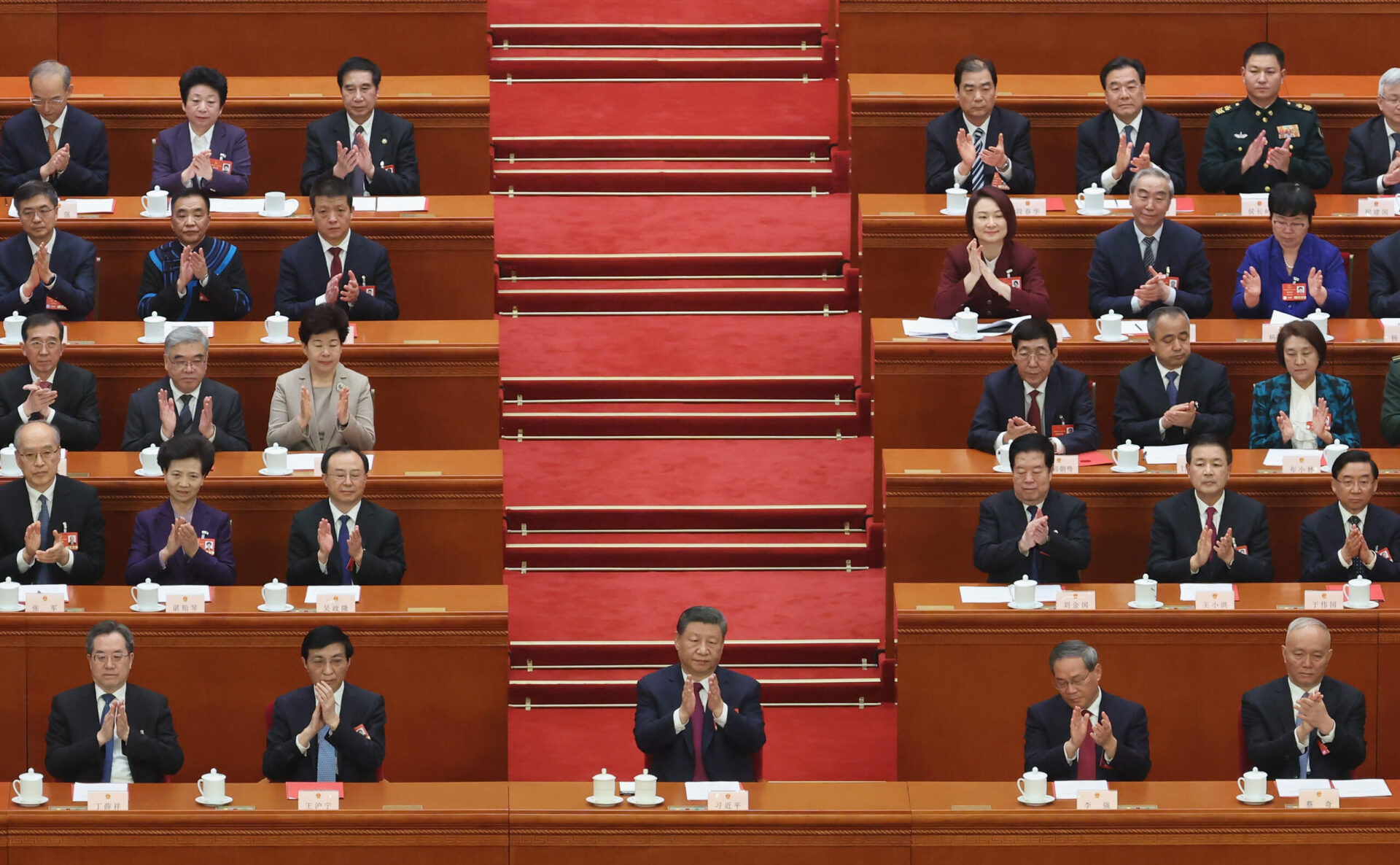
Political landscapes across the world are experiencing increased tension as governments introduce new policies, reforms, and strategic decisions that are shaping public debate. These developments are not only influencing national agendas but also affecting public opinion, media discussions, and international relations. As political heat rises, citizens and analysts are closely watching how leadership choices will impact economic stability, social conditions, and governance in the coming months.
Rising Political Tensions in Decision-Making
Government Policy Changes and Public Reaction
Recent government policy changes have become a major source of political debate. When new decisions are introduced, they often trigger strong reactions from different groups within society. Supporters highlight long-term benefits, while critics question timing, implementation, and transparency. This divide increases political pressure and creates a heated environment where every decision is closely analyzed. As a result, public reaction plays a key role in shaping how policies are received and discussed in mainstream political discourse.
Opposition Response and Political Criticism
Opposition parties play a crucial role in responding to new government decisions. Their criticism often focuses on accountability, governance quality, and potential risks associated with policy changes. In many cases, opposition voices amplify public concerns and bring alternative viewpoints into the conversation. This dynamic contributes to rising political heat as debates become more intense and widely covered in media. Constructive criticism also ensures that decisions are thoroughly reviewed, although it can sometimes deepen political divisions.
Media Coverage and Public Discourse
Media platforms significantly influence how political decisions are perceived. Continuous coverage of new policies and government actions keeps public attention focused on political developments. News channels, digital platforms, and social media discussions often shape narratives that either support or challenge official decisions. This constant flow of information increases awareness but also intensifies political emotions. As a result, media coverage plays a powerful role in driving national conversations around governance and decision-making.
Key Decisions Shaping the Political Landscape
Economic Policy Reforms and National Impact
Economic policy reforms are often at the center of political decision-making. These reforms may include changes in taxation, budget allocation, or financial regulation. Such decisions directly affect businesses, employment, and household stability, making them highly sensitive topics. When economic reforms are announced, they often trigger immediate political debate as stakeholders assess both risks and opportunities. The broader national impact of these decisions contributes to rising political heat across different sectors of society.
Legislative Updates and Governance Structure
Legislative updates are essential for strengthening governance structures, but they also bring political challenges. New laws or amendments can shift power dynamics, redefine responsibilities, and introduce new regulatory frameworks. While some view these updates as necessary for progress, others may see them as controversial or restrictive. This dual perspective often leads to intense political discussions, especially when changes affect key social or economic systems.
Administrative Decisions and Public Services
Administrative decisions related to public services such as healthcare, education, and infrastructure significantly influence daily life. When changes are introduced in these areas, public attention increases due to their direct impact on citizens. Efficiency, accessibility, and quality of services become central points of debate. As governments implement reforms to improve administration, political discussions often intensify, reflecting the importance of these decisions in shaping public trust.
Impact of Political Developments on Society
Public Sentiment and Civic Awareness
Political developments strongly influence public sentiment and civic awareness. When new decisions are announced, citizens become more engaged in discussions about rights, responsibilities, and governance. This increased awareness can strengthen democratic participation but also create emotional responses. As people form opinions based on available information, political heat rises due to differing interpretations and expectations about leadership actions.
Social Stability and Community Response
Social stability can be affected by political decisions, especially when policies impact employment, pricing, or essential services. Communities may respond with support, concern, or protest depending on how they perceive these changes. This response plays a significant role in shaping the political environment. A balanced approach from leadership can help maintain stability, while controversial decisions may lead to increased tension within society.
International Relations and Global Attention
Political decisions do not remain limited to national boundaries. In today’s interconnected world, international relations are often influenced by domestic policy changes. Foreign governments, global organizations, and international media closely observe major political developments. These interactions can either strengthen diplomatic ties or create disagreements, adding another layer to rising political heat on a global scale.
Challenges and Future Political Outlook
Policy Implementation Challenges
Even well-planned policies often face challenges during implementation. Issues such as resource allocation, administrative delays, and coordination gaps can affect outcomes. These challenges frequently become political talking points, as stakeholders evaluate government efficiency. The success or failure of implementation plays a crucial role in shaping public trust and future political discussions.
Public Trust and Government Accountability
Maintaining public trust is one of the most important aspects of governance. When new decisions are introduced, citizens expect transparency and accountability from leadership. Any perceived lack of clarity can lead to criticism and reduced confidence in institutions. Strengthening accountability mechanisms is essential for reducing political tension and ensuring long-term stability.
Future Political Direction and Expectations
The future political direction of any country depends on current decisions and their outcomes. As governments introduce reforms, citizens and analysts begin forming expectations about long-term impact. These expectations influence political behavior, voting trends, and public engagement. The evolving political environment suggests that decision-making will continue to remain a central focus of national attention.
FAQs
1. Why is political heat rising in current times?
Political heat is rising due to new government decisions, policy changes, and increased public debate.
2. How do political decisions affect society?
They influence economic conditions, social stability, and public services.
3. What role does media play in political discussions?
Media shapes public opinion by reporting and analyzing government actions and policies.
4. Why are economic reforms politically sensitive?
Because they directly affect jobs, prices, and national financial stability.
5. How does public reaction influence politics?
Public reaction impacts government decisions, policy adjustments, and future planning.
Conclusion
Political heat continues to rise as new decisions take center stage, shaping national direction and public discussion. From economic reforms to governance updates, every policy carries significant influence on society and international relations. As governments navigate these challenges, transparency, accountability, and effective communication remain essential for maintaining stability and public trust in an increasingly complex political environment.