

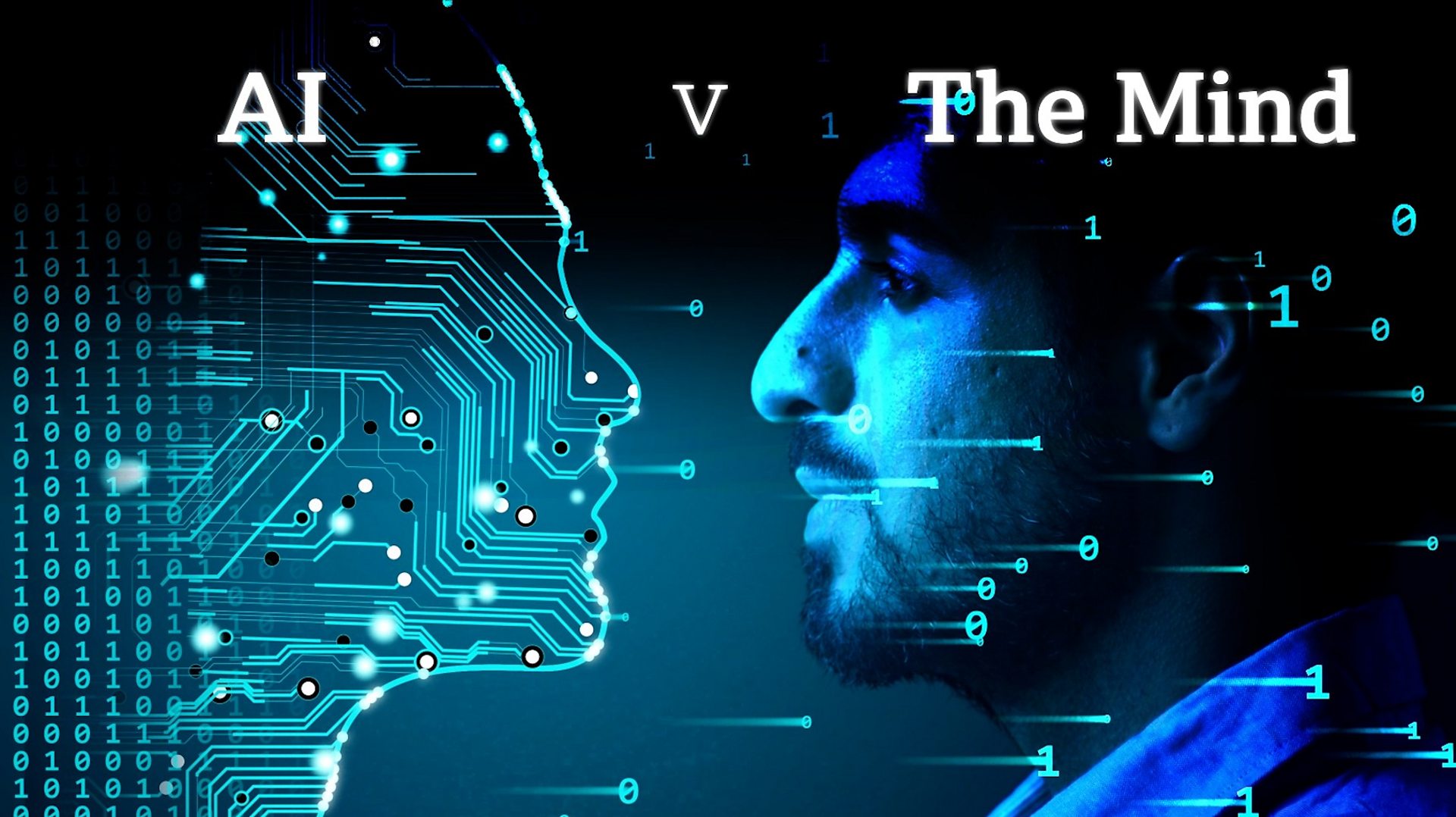
A new wave of intelligent systems is transforming how humans interact with technology, making machine thinking more advanced, adaptive, and closer to human reasoning than ever before. These systems are no longer limited to simple automation; instead, they can analyze, learn, and make decisions in ways that feel increasingly natural and human-like. As artificial intelligence continues to evolve, the line between human cognition and machine intelligence is becoming less visible, raising both opportunities and important questions about the future of digital intelligence.
The Rise of Advanced Human-Like Intelligence Systems
Understanding Modern Artificial Intelligence Systems
Modern artificial intelligence systems are designed to process large amounts of data and generate insights that mimic human decision-making. Unlike traditional software, these systems learn from patterns and continuously improve their performance. This shift has made AI systems more flexible and capable of handling complex tasks across industries such as healthcare, finance, and communication. The growth of intelligent systems is driven by machine learning models that simulate aspects of human reasoning.
How Machine Learning Mimics Human Thinking
Machine learning allows systems to recognize patterns and adapt without being explicitly programmed for every task. This process resembles how humans learn from experience, making decisions based on past knowledge. Over time, algorithms refine their accuracy by analyzing feedback loops and adjusting outputs. As a result, machine thinking is no longer static but dynamic, evolving in a way that closely mirrors human cognitive processes.
The Role of Neural Networks in Cognitive Simulation
Neural networks are the foundation of many intelligent systems that attempt to replicate human thought. These networks are structured in layers that process information similarly to neurons in the human brain. By connecting multiple layers of computation, neural networks can interpret language, recognize images, and make predictions. This architecture is a key reason why intelligent systems are becoming more human-like in their behavior and responses.
How Intelligent Systems Are Transforming Decision-Making
Data-Driven Thinking in Modern Systems
Intelligent systems rely heavily on data-driven models that analyze massive datasets to make informed decisions. This approach reduces human bias and improves accuracy in predictions. Businesses and organizations use these systems to understand trends, optimize operations, and enhance user experiences. As data becomes more central to decision-making, machine intelligence is playing a larger role in shaping outcomes that were once purely human responsibilities.
Real-Time Learning and Adaptation
One of the most powerful features of intelligent systems is their ability to learn in real time. Instead of waiting for manual updates, these systems continuously adapt based on incoming information. This allows them to respond quickly to changing environments and user behavior. Real-time adaptation brings machine thinking closer to human reflexes, where decisions are made instantly based on context and experience.
Ethical Challenges in Automated Decisions
As intelligent systems become more independent, ethical concerns also increase. Questions about fairness, transparency, and accountability are becoming central to discussions around AI development. When machines make decisions that impact human lives, it becomes essential to ensure they operate within ethical boundaries. Balancing efficiency with responsibility is now a major focus in the evolution of intelligent systems.
The Future Impact of Human-Machine Cognitive Integration
Expanding Human Capabilities Through AI
Intelligent systems are not replacing human thinking but expanding it. By handling repetitive or complex data tasks, these systems allow humans to focus on creativity, strategy, and innovation. This collaboration between human intelligence and machine processing is creating new possibilities in education, business, and scientific research. The integration of AI is effectively enhancing human cognitive capacity.
The Emergence of Hybrid Intelligence Models
Hybrid intelligence refers to systems where human and machine thinking work together seamlessly. These models combine human intuition with machine precision, creating more balanced and effective decision-making processes. In such systems, humans guide strategy while machines handle computation and analysis. This partnership represents the next stage in the evolution of intelligent systems.
Long-Term Implications for Society and Work
As intelligent systems become more advanced, their impact on society and the workplace will continue to grow. Jobs may shift toward roles that require creativity, emotional intelligence, and critical thinking. At the same time, automation will handle more technical and repetitive tasks. This transformation will require new skills and adaptability as humans learn to work alongside increasingly intelligent machines.
FAQs
1. What is an intelligent system in simple terms?
An intelligent system is a computer-based system that can learn, analyze data, and make decisions similar to human thinking.
2. How do intelligent systems mimic human thinking?
They use machine learning and neural networks to process information and recognize patterns like the human brain.
3. Are intelligent systems replacing human jobs?
They are automating some tasks but also creating new roles that require human creativity and problem-solving.
4. What is hybrid intelligence?
Hybrid intelligence is a combination of human decision-making and machine learning working together.
5. Why are intelligent systems important today?
They improve efficiency, accuracy, and decision-making across industries, making processes faster and smarter.
Conclusion
The development of new intelligent systems is reshaping the relationship between humans and machines, creating a future where thinking is increasingly shared between biological and artificial intelligence. As these systems evolve, they offer powerful tools for innovation while also raising important ethical and societal considerations. Understanding and adapting to this shift will be essential as we move toward a world where human and machine thinking work side by side in increasingly seamless ways.