

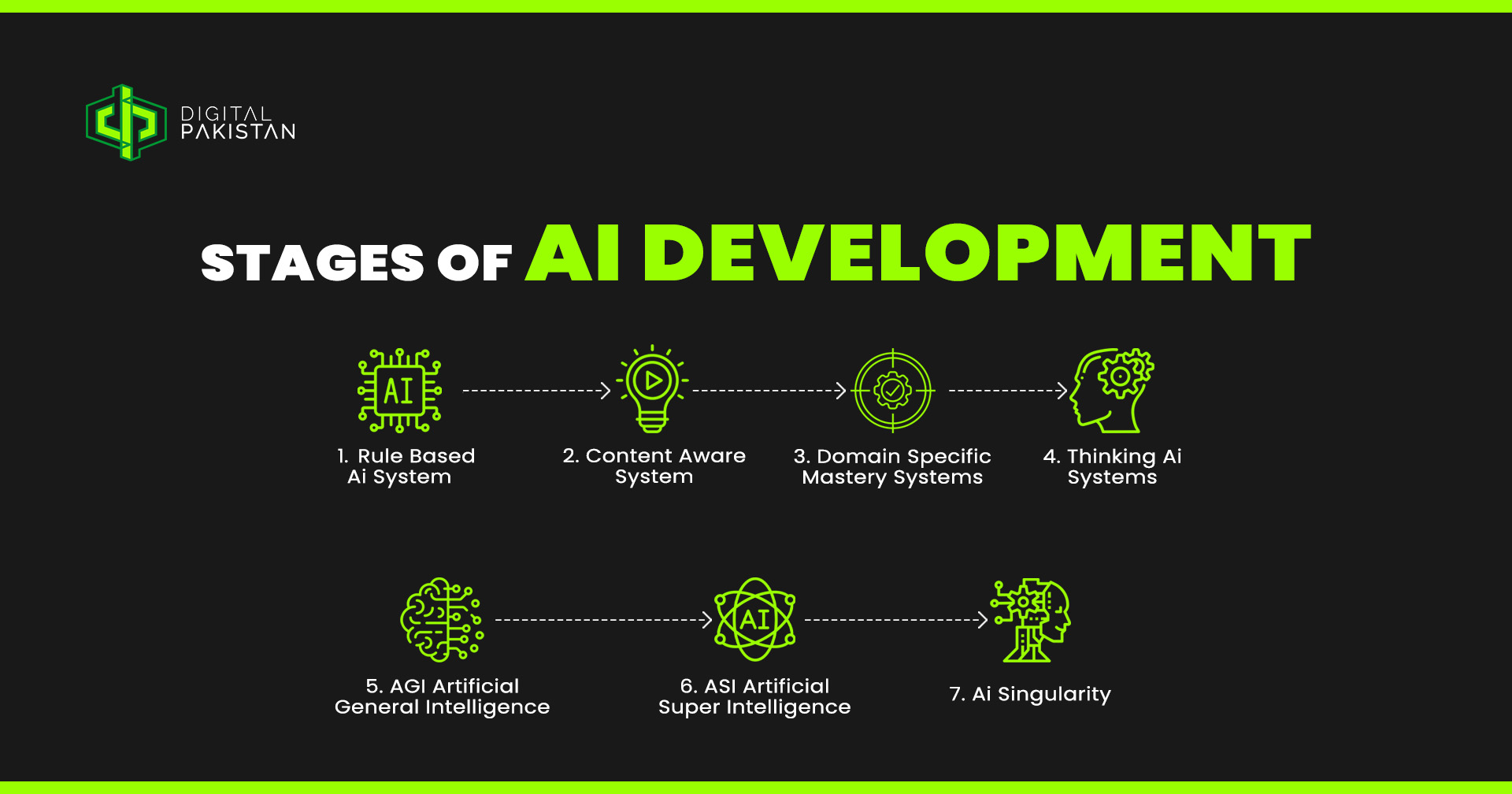
Artificial intelligence is entering a new phase where systems are no longer limited to fixed programming. Instead, self-evolving AI systems are beginning to adapt, improve, and refine themselves with minimal human input. This shift is changing how AI development is understood across industries, from automation to data science and digital innovation. As this technology evolves, it is creating both excitement and concern about what the future of intelligent systems may look like.
The Rise of Self-Evolving AI Systems
What self-evolving AI means in modern development
Self-evolving AI refers to systems that can improve their own performance over time without being manually reprogrammed. Unlike traditional models, these systems analyze outcomes, learn from patterns, and adjust internal processes automatically. This makes AI development more dynamic and less dependent on constant human updates. As a result, businesses are seeing faster adaptation in areas like prediction accuracy and decision-making efficiency.
Why AI development is shifting toward autonomy
The push toward autonomy in AI development comes from the need for faster, scalable, and more efficient systems. Companies want AI models that can handle complex tasks without continuous supervision. Self-improving algorithms reduce operational workload and increase productivity. This shift also supports industries where data changes rapidly, making static models less effective in real-world applications.
Early breakthroughs in adaptive learning systems
Recent advancements in machine learning frameworks have introduced adaptive learning techniques that allow AI models to refine themselves based on real-time feedback. These breakthroughs include reinforcement learning improvements and automated model tuning. Such innovations are laying the foundation for fully self-evolving systems, where AI continuously upgrades its own capabilities over time.
How Self-Evolving Systems Are Changing AI Development
Automation of model improvement processes
One of the biggest changes in AI development is the automation of model optimization. Instead of engineers manually adjusting parameters, self-evolving systems can identify weaknesses and correct them independently. This reduces development time and allows faster deployment of AI solutions across industries such as healthcare, finance, and logistics.
Reduction in human intervention requirements
Self-evolving AI significantly reduces the need for constant human intervention. Developers are no longer required to monitor every stage of model training or retraining. Instead, AI systems can self-correct and maintain performance levels. This shift is making AI development more efficient but also raises questions about control and oversight.
Increased adaptability in dynamic environments
Modern digital environments change rapidly, and traditional AI models often struggle to keep up. Self-evolving systems solve this issue by continuously learning from new data. This adaptability is especially valuable in areas like cybersecurity, market analysis, and personalized recommendations, where conditions change frequently.
Challenges and Future Implications of Self-Evolving AI
Ethical concerns in autonomous decision-making
As AI systems become more self-directed, ethical concerns are becoming more important. When machines make independent decisions, it becomes harder to determine accountability. This raises questions about fairness, transparency, and responsible usage, especially in sensitive sectors like healthcare and law enforcement.
Risks of uncontrolled system evolution
A major concern in AI development is the possibility of uncontrolled evolution. If systems continue to modify themselves without strict boundaries, unexpected behavior may occur. This risk highlights the importance of safety protocols and monitoring frameworks to ensure AI remains aligned with human goals.
The future role of human developers
Even with self-evolving systems, human developers will still play a critical role. Their focus will shift from manual coding to supervision, ethical governance, and strategic design. Developers will guide AI systems rather than constantly rebuilding them, ensuring balanced and safe technological progress.
FAQs
What are self-evolving AI systems?
Self-evolving AI systems are artificial intelligence models that improve their performance automatically without constant human updates.
Why is AI development moving toward self-evolution?
It improves efficiency, reduces manual work, and allows faster adaptation to changing data environments.
Are self-evolving AI systems fully autonomous?
Not yet. They still require human oversight for safety, control, and ethical decision-making.
What industries benefit most from this technology?
Industries like healthcare, finance, cybersecurity, and logistics benefit greatly from adaptive AI systems.
What are the main risks of self-evolving AI?
The main risks include lack of transparency, ethical concerns, and potential uncontrolled system behavior.
Conclusion
The rise of self-evolving systems marks a major turning point in AI development. While this technology offers powerful advantages like automation, adaptability, and efficiency, it also introduces new challenges related to ethics and control. As AI continues to evolve, the balance between human oversight and machine autonomy will become the defining factor in shaping a safe and intelligent digital future.